
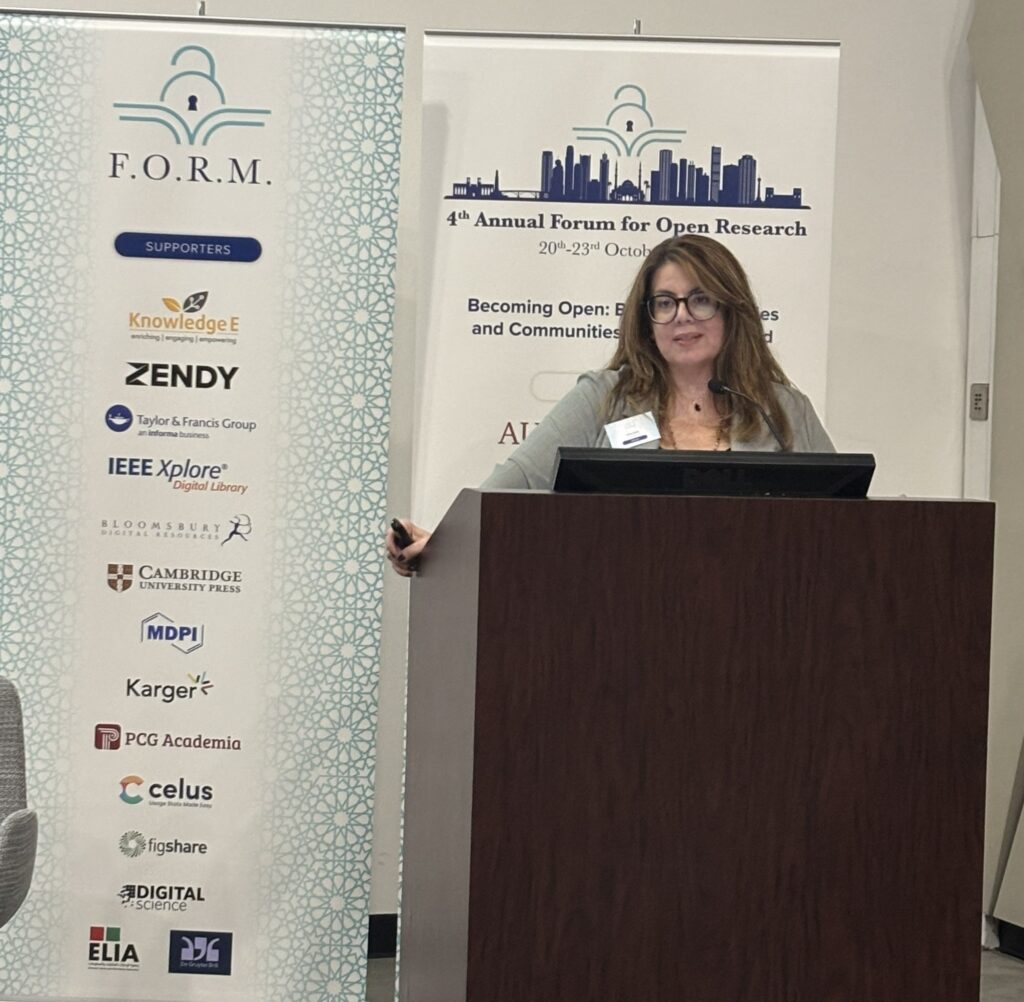
From the Classroom to the Conference Stage: Lessons on Voice and Presence
My first major conference presentation left me shaking behind the podium, voice quavering as I rushed through slides I’d rehearsed perfectly in my empty classroom. The confident teacher who connected easily with students vanished when facing peers and experts. That uncomfortable experience taught me that classroom skills don’t automatically transfer to conference settings. Here’s what I’ve learned about finding your voice in both worlds.
Different Spaces, Different Skills
Teaching builds relationships over months. Students know our quirks, we establish credibility through repeated interactions, and we adjust based on immediate feedback. Conference talks drop us before strangers. We must establish credibility, convey information, and connect emotionally, all within 20 minutes and without familiar faces nodding along. Recognizing these as different performance contexts rather than variations of the same skill was my first breakthrough.
Finding Your Voice
In classrooms, we develop voice patterns that students adapt to over time. Conference audiences need vocal clarity from the first sentence. Working with a theater colleague taught me to treat voice as a physical instrument requiring conscious control:
- Recording myself revealed unconscious habits
- Practicing different speeds and volumes expanded my range
- Learning proper breathing eliminated my nervous quaver
- Using strategic pauses gave audiences time to process information
Those moments of silence, initially uncomfortable, now feel like periods of connection rather than awkward gaps.
Commanding Physical Presence
Teaching while moving through student groups differs completely from standing before hundreds of colleagues. Simple stance adjustments, feet planted shoulder-width apart, weight balanced evenly, created physical stability that projected confidence. Stepping away from the podium occasionally changed audience engagement dramatically. Most surprisingly effective was practicing stillness. Where I once believed movement showed energy, I learned that calculated stillness during key points actually commands more attention than constant motion.
Telling Better Stories
Classroom teaching allows stories that unfold across an entire term. Conference presentations require complete narratives delivered in concentrated form. I learned to build presentations around 2-3 vivid moments rather than comprehensive coverage. These scenes, a specific student interaction, a surprising research moment, provide concrete entry points into abstract concepts, making content more memorable than slides filled with conclusions.
Reframing Nervousness
The adrenaline before speaking to peers differs from everyday teaching jitters. A performance psychologist taught me to interpret these physical signals as useful information rather than problems. Instead of fighting these responses, I developed routines that channel this energy: brief meditation focusing on specific sections, physical movement before speaking, and deliberate breathing during transitions. I abandoned the pursuit of “nervousness elimination” in favor of “productive channeling.” The same energy that once manifested as a quavering voice now fuels dynamic delivery.
Seeing Audience as Collaborators
Perhaps the most significant shift came from reconceptualizing the audience relationship. In my early conference talks, I unconsciously cast audiences as judges, creating unnecessary pressure. Reframing them as potential collaborators changed everything. Instead of focusing on possible criticism, I now consider how my ideas might connect with their work. This mental shift transforms anxiety-producing scenarios into opportunities for meaningful exchange. I ask genuine questions, connect content to different subdisciplines in the room, and create moments for brief paired discussions even in formal settings.
How has moving between classroom teaching and conference presentations shaped your approach to communication? What techniques have helped you find your authentic voice in different professional settings?
